Skill Development & Career Exploration

Skill Development & Career Exploration

Gaining experience and finding the right fit

Beyond the Classroom

The decision to become a healthcare professional cannot be made solely in the classroom. You should begin to confirm your interest in a healthcare profession through career exploration. Successful applicants demonstrate to admissions committees that they have thoroughly investigated their chosen profession and have thoughtfully considered how they will handle any drawbacks that it presents. As a result, career exploration may either solidify your career choice or redirect you to another profession. Either way, the experience will be useful knowledge.

The Career Center, located in the Danforth University Center, is the place to search for summer internships, for year-round job opportunities, to do mock interviews and to get help with networking with alumni or other contacts.

Opportunities to Explore

Research

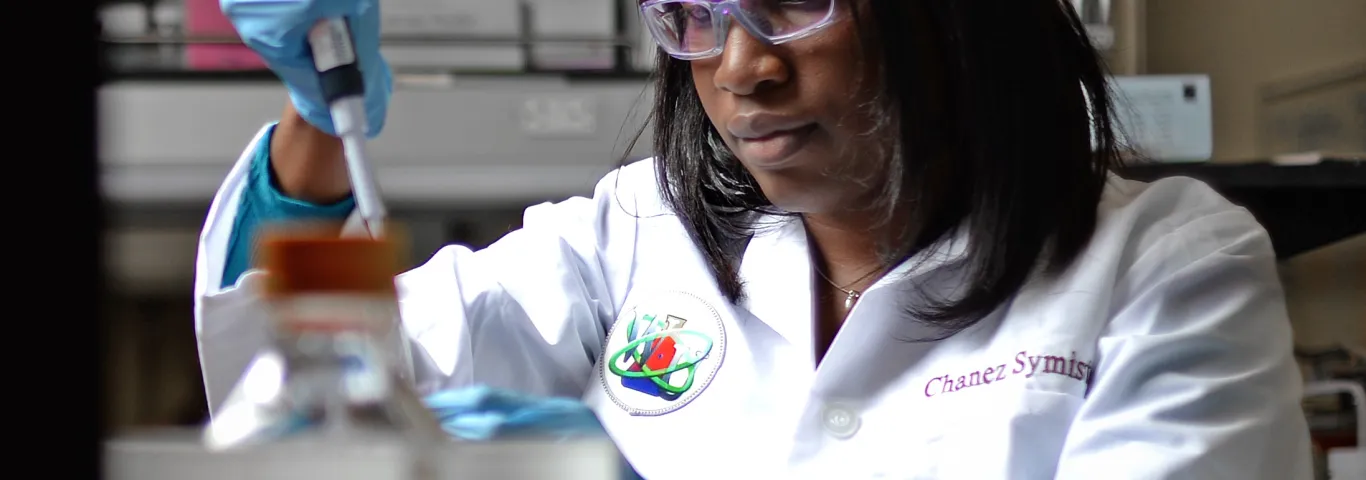
Washington University is a research institution; research is part of our culture. When you pursue undergraduate research, you access an important part of what this institution has to offer. Research opportunities are available in all disciplines. For example, many students pursue laboratory research, but others pursue field research in archaeology or environmental studies. Economists, physicists, and biophysicists do computer modeling in their research, and traditional library research and primary document research provide invaluable skills for students no matter what professional goals they may have. Many of our students do independent research in the humanities and the social sciences, often leading to honors theses in these majors.

Office of Undergraduate Research

Clinical Exposure

Clinical exposure demonstrates that you have a true interest in a profession and understand what healthcare professionals do on a daily basis. It would be difficult for an applicant to talk about or write about their desire to pursue medicine, dentistry, etc. if they have never spent time in the clinical setting. Emphasize career exploration activities that allow you to actively participate in an appropriate manner, rather than simply being a passive observer. There are many avenues for you to obtain clinical exposure. While admissions criteria vary somewhat by health profession, medical schools do not have a preference for one type of clinical exposure over another. Volunteer opportunities may offer clinical exposure while still allowing you to be an active participant. A variety of employment options also offer the chance to observe practitioners, while actively contributing to the delivery of excellent health.

Learn more about getting clinical experience

Community Service

Choose service that you genuinely enjoy – these experiences can reveal a lot about your career interests or can provide inspiration for your personal statement. Once you are involved in a meaningful activity, stay involved. Volunteering to work in a healthcare setting is a great way to engage in community service and explore a career at the same time. You do not have to restrict your volunteering to clinical settings. You can tutor through the Campus Y or be involved in Habitat for Humanity or any other community service project. Participate in community service because you genuinely enjoy it; pursuing community service just to improve your application can backfire. It is extremely difficult to sound sincerely passionate about something that is actually just another chore to complete. Summer and breaks at home can be a great time to volunteer in your community.

Browse some Student Service Groups at WashU

MedPrep Program

MedPrep I is different from any other premed course in that it's the only one that will give you the "big picture" of the entire path to becoming a physician. It answers questions that won’t be found in any other course. In MedPrep I, you will also gain a clear understanding of what medical schools look for in an applicant while dispelling commonly held myths so prevalent in the premed world. And once you complete MedPrep I, you will be eligible for MedPrep II, the shadowing course at Barnes-Jewish Hospital, the main teaching hospital of the Washington University School of Medicine.

Learn more about MedPrep

PEMRAP Program

Pediatric Emergency Medicine Research Associates’ Program (PEMRAP) offers Washington University undergraduate students, interested in pursuing a career in medicine or an allied healthcare field, an opportunity to participate in clinical, patient-oriented research projects at St. Louis Children's Hospital (SLCH) on the Washington University School of Medicine campus. As Research Associates (RAs), PEMRAP students assist Washington University faculty members who serve as principal investigators (P.I.s) for clinical research studies. Through their efforts as RAs, students help gather patient information on numerous research projects. Research studies vary from semester to semester.

Learn more about PEMRAP

Leadership, Service & Extra Curricular Activities

Leadership and service to others are important components of a strong health professional school application. Admissions committees are looking for evidence that you have the capacity to care for others and want to make a difference in the world, but also possess the goal-setting and teamwork abilities necessary to thrive in the healthcare environment. Demonstrating a sustained involvement in extracurricular activities can showcase your skills and experience in leadership, communication and project management.

Student Organizations and Extra Curricular Opportunities